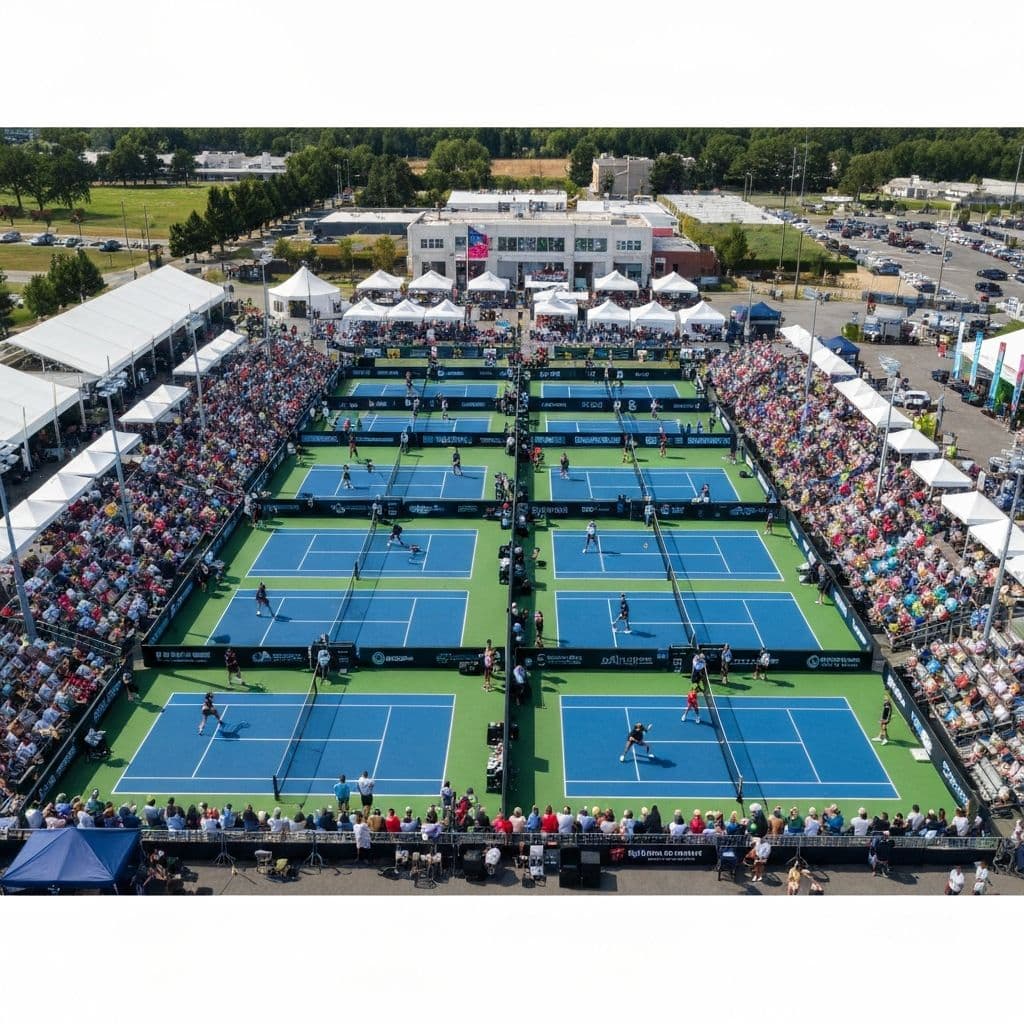
The Pickleball Sponsorship Market in 2026: What the Numbers Actually Show
Pickleball sponsorship spending has tripled since 2023. We break down where the money is going, which brands are entering, and what it means for athletes.
Rally UP Team
Editorial
The Market Has Shifted, and Fast
In 2023, pickleball sponsorships were mostly limited to paddle companies giving free equipment to top-tier PPA and APP pros. By 2026, the landscape looks completely different. Apparel brands, nutrition companies, tech startups, sports drink makers, and even financial services firms are all actively seeking pickleball athlete partnerships.
Here's what's driving the shift and what it means for athletes and brands.
The Numbers: $840M+ in Estimated Sponsorship Spend
According to the Sports & Fitness Industry Association (SFIA), pickleball participation grew to over 48 million Americans in 2025, making it one of the fastest-growing sports in U.S. history. That audience growth has attracted serious sponsorship dollars:
- Total estimated pickleball sponsorship spend in 2026: $840M+ (up from ~$280M in 2023)
- Average deal size for mid-tier athletes (10K-50K followers): $3,200/quarter
- Brands actively sponsoring pickleball athletes: 1,400+ (up from ~350 in 2023)
- Percentage of deals that include cash components: 62% (up from 28% in 2023)
Who's Spending: The New Brand Categories
The paddle companies (Selkirk, JOOLA, Engage, Franklin) are still the largest category, but they now represent less than 30% of total sponsorship spend. The fastest-growing categories:
Apparel and Footwear (24% of spend)
Brands like Vuori, lululemon, and pickleball-specific apparel lines have discovered that court fashion drives purchase decisions. Athletes who showcase what they wear on court generate measurable sales lift.Health, Nutrition, and Supplements (18% of spend)
Pickleball's demographic skews older than most sports, and that audience is willing to spend on recovery, hydration, and performance nutrition. Brands like AG1, LMNT, and Momentous are all active.Technology and Wearables (11% of spend)
DUPR itself, wearable tech companies, and training apps are sponsoring athletes to demonstrate their products in real competitive settings.Local and Regional Businesses (15% of spend)
This is the sleeper category. Physical therapy clinics, local sports retailers, community recreation centers, and regional food/beverage brands are signing local athletes for hyperlocal marketing that actually converts.What Brands Are Looking For in 2026
Through Rally UP's data on thousands of brand-athlete connections, we see clear patterns in what brands evaluate:
- Verified competitive activity: Brands want athletes who are actually playing and competing, not just posting. DUPR connectivity and tournament history matter more than ever.
- Content creation ability: The #1 deliverable brands request is short-form video content (Reels, TikTok). Athletes who can produce engaging 30-60 second clips have a massive advantage.
- Geographic relevance: A nutrition brand launching in the Southwest wants athletes based in Arizona, Texas, and California. Location-based discovery on platforms like Rally UP is how these matches happen.
- Audience authenticity: Fake followers are easy to spot. Brands are increasingly requesting engagement rate data and looking at comment quality, not just follower count.
- Professional communication: The athletes who respond quickly, present themselves clearly, and follow through on deliverables get renewed. The ones who ghost after the initial deal don't.
What This Means for Athletes
If you're a competitive pickleball player with even a modest social following, you're in a better position than ever to land a sponsorship. But the bar for professionalism has risen. Brands have more choices now, which means:
- You need a complete, polished profile (not a half-filled kit)
- You need verified credentials (connect your DUPR, link real socials)
- You need to think about what value you bring beyond just playing
What This Means for Brands
The opportunity is enormous, but so is the noise. Brands that succeed in pickleball sponsorships are:
- Using data-driven discovery rather than relying on who DMs them on Instagram
- Starting with smaller, performance-based deals before scaling up
- Measuring actual content performance rather than just counting impressions
- Building relationships with 5-10 mid-tier athletes rather than one expensive pro deal
For athletes: Build a sponsorship kit that gets noticed and learn how to price your deals. For brands: Read our complete playbook for pickleball athlete sponsorships.
Ready to Get Started?
Build your sponsorship kit, connect your DUPR, and start getting noticed by brands.
Create Your Free Account